Economics 2023 · Announced Oct 9
Why women earn less, told with 200 years of data.
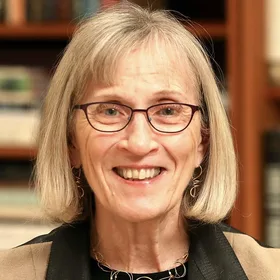
Claudia Goldin · One winner · 33 year wait
What they did
Goldin dug through two centuries of US records on women and work. She found that today's pay gap is mostly between men and women in the same job. It grows after the first child.
Why it matters
It shows that closing the gap takes more than new laws. It is about how jobs reward long, fixed hours.
The official reason
"for having advanced our understanding of women’s labour market outcomes"
The long road
- 1990Publishes Understanding the Gender Gap.
- 2002With Lawrence Katz, shows how the pill changed women's careers.
- 2023Prize in Economic Sciences.
The winners
See the idea · 76-second film, with sound
Why women earn less, found in 200 years of records.
- The missing workers. Old US records often listed a married woman's job as just “wife”. Yet many worked on farms or in family shops. Claudia Goldin dug through 200 years of records to count them.
- Down, then up. As factories replaced farms in the 1800s, fewer married women worked for pay. As offices and shops grew in the 1900s, more did. Growth alone did not bring women into work.
- Plans change everything. With the pill, young women could plan when to have children. With Lawrence Katz, Goldin showed they married later, and more studied law, medicine and economics.
- It opens with the first child. Today most of the pay gap is between men and women in the same job. Their pay starts out close. When the first child arrives, hers falls behind and stays behind.
- Jobs that want you always on. Many jobs pay extra for being on call at all hours. Mothers often do more of the child care. Equal pay laws exist, yet the gap stays. More flexible work may help.
1 · The archives
The missing workers.
Old US records often listed a married woman's job as just “wife”. Yet many worked on farms or in family shops. Claudia Goldin dug through 200 years of records to count them.
A pencil sketch made to show the idea. The curves show the shape of Goldin's findings, not her exact numbers.