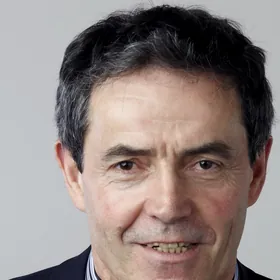
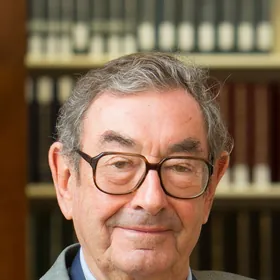
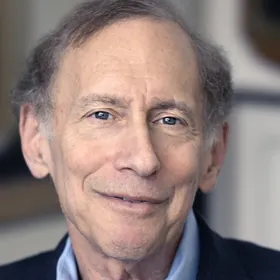
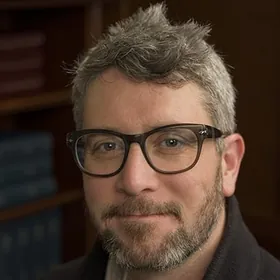
The real nominations stay secret for 50 years. So nobody knows the true list. These are public guesses and our own picks. Choose one name per prize, then see how you did.
Play the picks game
No password. We email you a link to sign in, and game news like your score after each prize. We never show your email.
Pick one name per prize
How the winners are really picked
The rules
Only invited experts can nominate. You can't nominate yourself.
A small committee studies the names for months. The final vote is in early October.
The prize is for one discovery or one body of work, not for being famous.
Up to three winners can share a prize. No prize is given after death.
Nobel's will says a person's country must not count.
The real nominations stay secret for 50 years.
The Nobel signs on each card
Time. The work has to prove itself. In science the wait is often 20 to 40 years.
Big earlier prizes. Many winners first win prizes like the Lasker or the Wolf.
Guess lists. Clarivate (science) and the PRIO director (peace) name likely winners each year.
Being cited a lot. It helps, but it's a weak sign on its own: big labs simply publish more.
More dots is a stronger case, not a sure thing. Writers get three signs, since citations don't fit a novelist.
Medicine 2027
Who might win Medicine?
Picks lock when the prize is named: Mon Oct 4, 11:30 Stockholm time. This date is our best guess. The official one is not out yet.
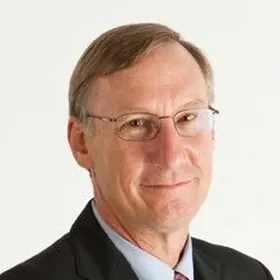
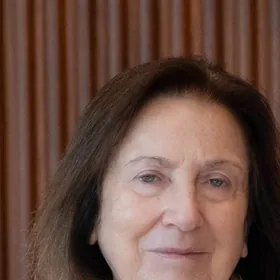
Svetlana MojsovBiochemist, GLP-1 hormone
Found the gut hormone behind new diabetes and weight-loss drugs.
Our pick
3 of 4 Nobel signs
Yes: 40 years since the big work (1987)showed GLP-1 makes the body release insulin
Yes: Won a big earlier prizeLasker Award 2024, Breakthrough Prize 2025, King Faisal Prize 2026
Yes: On Clarivate's "Nobel-class" listClarivate pick 2026
No: Cited 6,032 times
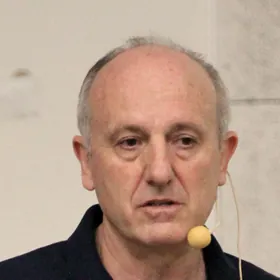
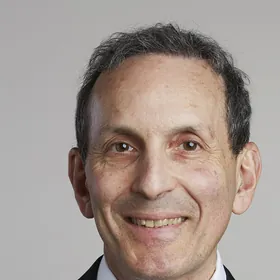
Daniel J. DruckerEndocrinologist, GLP-1 hormone
Showed how a gut hormone helps control blood sugar.
4 of 4 Nobel signs
Yes: 40 years since the big work (1987)showed GLP-1 turns on the insulin gene
Yes: Won a big earlier prizeBreakthrough Prize 2025
Yes: On Clarivate's "Nobel-class" listClarivate pick 2026
Yes: Cited 88,288 times: very widely
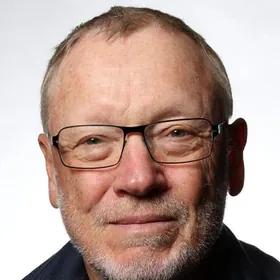
Jens Juul HolstPhysiologist, gut hormones
Showed a gut hormone tells the body to make insulin.
4 of 4 Nobel signs
Yes: 40 years since the big work (1987)found GLP-1 makes the body release insulin
Yes: Won a big earlier prizeBreakthrough Prize 2025
Yes: On Clarivate's "Nobel-class" listClarivate pick 2026
Yes: Cited 168,267 times: very widely
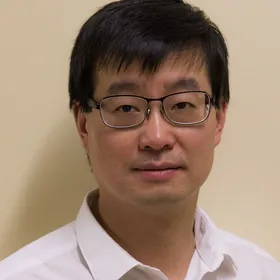
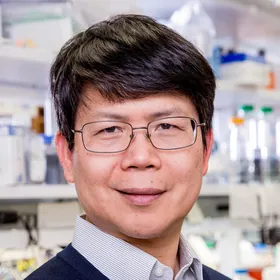
Zhijian “James” ChenBiochemist, innate immunity
Found how cells spot DNA in the wrong place and raise an alarm.
3 of 4 Nobel signs
No: Only 14 years since the big work (2013)found cGAS, the cell's DNA alarm
Yes: Won a big earlier prizeLasker Award 2024
Yes: On Clarivate's "Nobel-class" listClarivate pick 2025
Yes: Cited 82,835 times: very widely
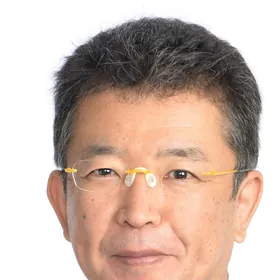
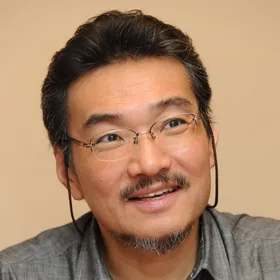
Masashi YanagisawaNeuroscientist, sleep
Found orexin, a brain chemical that keeps us awake.
3 of 4 Nobel signs
Yes: 29 years since the big work (1998)found orexin, the wake-up chemical
Yes: Won a big earlier prizeLasker Award 2026, Breakthrough Prize 2023
No: Not on Clarivate's "Nobel-class" list
Yes: Cited 96,894 times: very widely
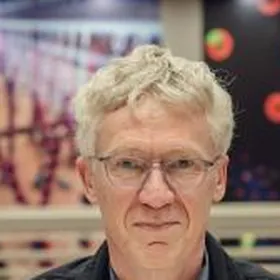
Emmanuel MignotSleep scientist, narcolepsy
Found what goes wrong in the brain with narcolepsy.
3 of 4 Nobel signs
Yes: 28 years since the big work (1999)found the gene behind narcolepsy in dogs
Yes: Won a big earlier prizeLasker Award 2026, Breakthrough Prize 2023
No: Not on Clarivate's "Nobel-class" list
Yes: Cited 55,495 times: very widely
Sign in to make your pick. It takes one email, no password.
Physics 2027
Who might win Physics?
Picks lock when the prize is named: Tue Oct 5, 11:45 Stockholm time. This date is our best guess. The official one is not out yet.
Jun YePhysicist, atomic clocks
Built clocks so exact they would not lose a second in billions of years.
Our pick
2 of 4 Nobel signs
Yes: 21 years since the big work (2006)built a strontium optical lattice clock
Yes: Won a big earlier prizeWolf Prize 2026, Breakthrough Prize 2022
No: Not on Clarivate's "Nobel-class" list
No: Cited 47,648 times
Hidetoshi KatoriPhysicist, atomic clocks
Invented a clock that holds atoms still in a grid of light.
2 of 4 Nobel signs
Yes: 24 years since the big work (2003)proposed the optical lattice clock
Yes: Won a big earlier prizeBreakthrough Prize 2022
No: Not on Clarivate's "Nobel-class" list
No: Cited 8,724 times
Immanuel BlochPhysicist, ultracold atoms
Used super-cold atoms to copy how hard quantum materials behave.
3 of 4 Nobel signs
Yes: 25 years since the big work (2002)turned a cloud of cold atoms into an insulator
Yes: Won a big earlier prizeWolf Prize 2026
No: Not on Clarivate's "Nobel-class" list
Yes: Cited 66,832 times: very widely
Qikun XuePhysicist, quantum materials
Made current flow with no loss and no magnet needed.
2 of 4 Nobel signs
No: Only 14 years since the big work (2013)first saw the quantum anomalous Hall effect
Yes: Won a big earlier prizeBuckley Prize 2024
Yes: On Clarivate's "Nobel-class" listClarivate pick 2026
No: Cited 21,598 times
Stephen R. ForrestPhysicist, OLED screens
Helped make the bright, low-power screens in phones.
3 of 4 Nobel signs
Yes: 29 years since the big work (1998)made phosphor OLEDs that glow far brighter
No: No big earlier prize yet
Yes: On Clarivate's "Nobel-class" listClarivate pick 2026
Yes: Cited 112,882 times: very widely
Daniel LossPhysicist, quantum computing
Showed how a single electron's spin could power a quantum computer.
3 of 4 Nobel signs
Yes: 29 years since the big work (1998)proposed qubits made from single electron spins
No: No big earlier prize yet
Yes: On Clarivate's "Nobel-class" listClarivate pick 2025
Yes: Cited 54,772 times: very widely
Sign in to make your pick. It takes one email, no password.
Chemistry 2027
Who might win Chemistry?
Picks lock when the prize is named: Wed Oct 6, 11:45 Stockholm time. This date is our best guess. The official one is not out yet.
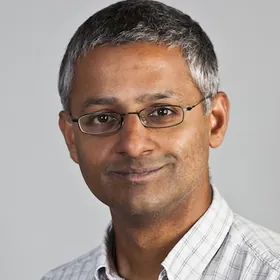
Shankar BalasubramanianChemist, DNA sequencing
Helped invent fast, cheap ways to read all of our DNA.
Our pick
3 of 4 Nobel signs
Yes: 30 years since the big work (1997)came up with fast DNA reading (Solexa)
Yes: Won a big earlier prizeWolf Prize 2026, Breakthrough Prize 2022, Millennium Technology Prize 2020
No: Not on Clarivate's "Nobel-class" list
Yes: Cited 53,914 times: very widely
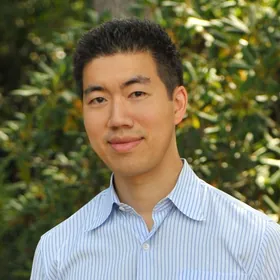
David R. LiuChemist, gene editing
Built tools that fix single letters in DNA without cutting it.
3 of 4 Nobel signs
No: Only 11 years since the big work (2016)invented base editing, to fix one DNA letter
Yes: Won a big earlier prizeBreakthrough Prize 2025
Yes: On Clarivate's "Nobel-class" listClarivate pick 2026
Yes: Cited 85,250 times: very widely
Jean-Marie TarasconChemist, batteries
Found new materials that make batteries store more energy.
4 of 4 Nobel signs
Yes: 31 years since the big work (1996)made a thin, bendy lithium-ion battery
Yes: Won a big earlier prizeBalzan Prize 2020
Yes: On Clarivate's "Nobel-class" listClarivate pick 2025
Yes: Cited 138,623 times: very widely
Harry B. GrayChemist, metals in proteins
Showed how electrons hop long distances through proteins.
4 of 4 Nobel signs
Yes: 45 years since the big work (1982)showed electrons can jump far through proteins
Yes: Won a big earlier prizeWolf Prize 2004, Welch Award 2009
Yes: On Clarivate's "Nobel-class" listClarivate pick 2026
Yes: Cited 67,390 times: very widely
Robert LangerChemical engineer, drug delivery
Made tiny capsules and gels that slowly release medicine in the body.
3 of 4 Nobel signs
Yes: 51 years since the big work (1976)slow release of big drug molecules from plastic
Yes: Won a big earlier prizeWelch Award 2026, Wolf Prize 2013, Priestley Medal 2012, Breakthrough Prize 2014
No: Not on Clarivate's "Nobel-class" list
Yes: Cited 354,717 times: very widely
Clifford BrangwynneBiophysicist, cell droplets
Found that cells form tiny droplets, like oil in water, to sort their work.
2 of 4 Nobel signs
No: Only 18 years since the big work (2009)showed parts of cells act like liquid drops
Yes: Won a big earlier prizeBreakthrough Prize 2023
Yes: On Clarivate's "Nobel-class" listClarivate pick 2025
No: Cited 31,239 times
Sign in to make your pick. It takes one email, no password.
Literature 2027
Who might win Literature?
Picks lock when the prize is named: Thu Oct 7, 13:00 Stockholm time. This date is our best guess. The official one is not out yet.
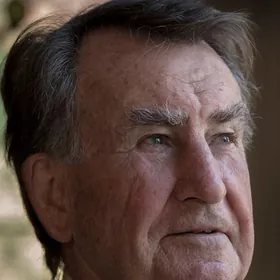
Gerald MurnaneNovelist, Australia
He writes quiet, strange books about memory, plains and horse races.
Our pick
3 of 3 Nobel signs
Yes: 53 years of published writing (1974)first novel, Tamarisk Row
Yes: Won a big book prizePrime Minister's Literary Award 2018
Yes: Named by critics or the pressOften named by the press, Named by Stockholm critics 2025
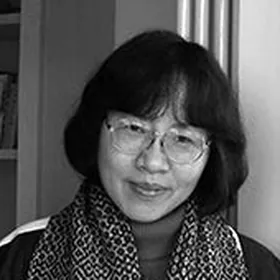
Can XueNovelist, China
Her dreamlike stories bend the rules of how a story should work.
2 of 3 Nobel signs
Yes: 42 years of published writing (1985)first story in print
No: No big book prize yet
Yes: Named by critics or the pressOften named by the press, International Booker longlist 2019 and 2021
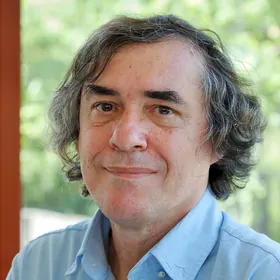
Mircea CărtărescuNovelist and poet, Romania
His huge, dreamy novels turn his home city into a world of wonders.
3 of 3 Nobel signs
Yes: 47 years of published writing (1980)first book of poems
Yes: Won a big book prizeDublin Literary Award 2024
Yes: Named by critics or the pressNamed by Stockholm critics 2025
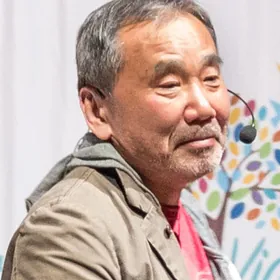
Haruki MurakamiNovelist, Japan
His odd, gentle novels are loved by readers all over the world.
3 of 3 Nobel signs
Yes: 48 years of published writing (1979)first novel, Hear the Wind Sing
Yes: Won a big book prizePrincess of Asturias Award 2023
Yes: Named by critics or the pressOften named by the press
Cristina Rivera GarzaWriter, Mexico
She mixes fact and story to fight for women who were harmed.
3 of 3 Nobel signs
Yes: 36 years of published writing (1991)first book, short stories
Yes: Won a big book prizePulitzer Prize 2024
Yes: Named by critics or the pressNamed by Swedish Radio critic 2025
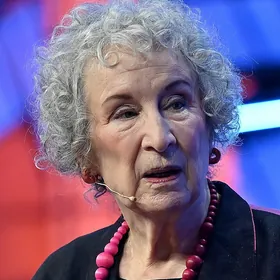
Margaret AtwoodNovelist and poet, Canada
Her famous novels warn us about worlds where people lose their freedom.
3 of 3 Nobel signs
Yes: 66 years of published writing (1961)first book of poems, Double Persephone
Yes: Won a big book prizeFranz Kafka Prize 2017
Yes: Named by critics or the pressOften named by the press
Sign in to make your pick. It takes one email, no password.
Peace 2027
Who might win Peace?
Picks lock when the prize is named: Fri Oct 8, 11:00 Stockholm time. This date is our best guess. The official one is not out yet.
EEmergency Response RoomsAid group, Sudan
Neighbours run kitchens and clinics to keep people alive during war.
Our pick
3 of 4 Nobel signs
No: Only 4 years of this work (2023)local aid groups formed as the war began
Yes: Won a peace or rights prizeRight Livelihood Award 2025, Rafto Prize 2025
Yes: On the PRIO director's shortlistOn PRIO director's list 2026
Yes: Publicly reported as nominatedReported as nominated 2024 and 2025
CCommittee to Protect JournalistsPress freedom group, USA
It speaks up for reporters who are jailed, hurt or killed.
2 of 4 Nobel signs
Yes: 46 years of this work (1981)founded by US reporters
No: No big peace prize yet
Yes: On the PRIO director's shortlistOn PRIO director's list 2026
No: No nomination made public
Mykola KulebaChildren's rights worker, Ukraine
He helps bring home Ukrainian children taken away during the war.
2 of 4 Nobel signs
Yes: 13 years of this work (2014)children's rights envoy; founded Save Ukraine
No: No big peace prize yet
Yes: On the PRIO director's shortlistOn PRIO director's list 2026 (with Save the Children)
No: No nomination made public
IInternational Criminal CourtWorld court, The Hague
It puts leaders on trial for the worst crimes in war.
3 of 4 Nobel signs
Yes: 25 years of this work (2002)the court's treaty took effect
Yes: Won a peace or rights prizeSakharov Prize 2026
Yes: On the PRIO director's shortlistOn PRIO director's list 2026 (with the ICJ)
No: No nomination made public
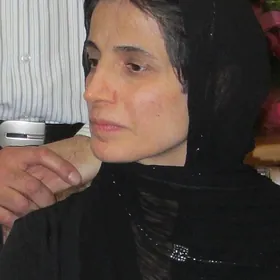
Nasrin SotoudehHuman rights lawyer, Iran
She defends women and prisoners, even after being jailed herself.
2 of 4 Nobel signs
Yes: 24 years of this work (2003)rights lawyer since her license came through
Yes: Won a peace or rights prizeVáclav Havel Prize 2026, Sakharov Prize 2012, Right Livelihood Award 2020
No: Not on the PRIO director's shortlist
No: No nomination made public
IInternational Space StationSpace lab, many nations
Rival countries have worked side by side in space for decades.
2 of 4 Nobel signs
Yes: 29 years of this work (1998)first piece launched
No: No big peace prize yet
Yes: On the PRIO director's shortlistOn PRIO director's list 2026
No: No nomination made public
Sign in to make your pick. It takes one email, no password.
Economics 2027
Who might win Economics?
Picks lock when the prize is named: Mon Oct 11, 11:45 Stockholm time. This date is our best guess. The official one is not out yet.
David AutorEconomist, jobs and technology
Showed how computers and trade change who gets good jobs.
Our pick
3 of 4 Nobel signs
Yes: 24 years since the big work (2003)how computers changed the tasks in jobs
No: No big earlier prize yet
Yes: On Clarivate's "Nobel-class" listClarivate pick 2025
Yes: Cited 75,578 times: very widely
Susan AtheyEconomist, online markets
Used economics and data to study online markets and ad auctions.
2 of 4 Nobel signs
No: Only 16 years since the big work (2011)how online ad auctions work
Yes: Won a big earlier prizeClark Medal 2007
Yes: On Clarivate's "Nobel-class" listClarivate pick 2026
No: Cited 35,470 times
Hal VarianEconomist, the internet economy
Explained how the economics of software and the internet works.
3 of 4 Nobel signs
Yes: 28 years since the big work (1999)Information Rules, a book on the web economy
No: No big earlier prize yet
Yes: On Clarivate's "Nobel-class" listClarivate pick 2026
Yes: Cited 40,620 times: very widely
Charles ManskiEconomist, data and doubt
Showed how to make fair policy choices when the data leave doubts.
3 of 4 Nobel signs
Yes: 37 years since the big work (1990)what data can and can't prove about a treatment
Yes: Won a big earlier prizeBBVA Frontiers Award 2026
No: Not on Clarivate's "Nobel-class" list
Yes: Cited 41,004 times: very widely
Raj ChettyEconomist, fair chances
Used huge data sets to show where poor kids get ahead.
3 of 4 Nobel signs
No: Only 13 years since the big work (2014)where kids can climb the income ladder
Yes: Won a big earlier prizeClark Medal 2013
Yes: On Clarivate's "Nobel-class" listClarivate pick 2023
Yes: Cited 46,174 times: very widely
Marianne BertrandEconomist, bias at work
Showed employers call back fewer job seekers with Black-sounding names.
2 of 4 Nobel signs
Yes: 23 years since the big work (2004)same CV, different name, fewer job calls
No: No big earlier prize yet
Yes: On Clarivate's "Nobel-class" listClarivate pick 2025
No: Cited 35,710 times
Sign in to make your pick. It takes one email, no password.
Points
10
You picked a winner from our list.
25
You typed in a name that is not on the list, and they won.
0
A miss. You never lose points.
A shared prize counts if you picked any of the winners. Ties go to whoever made their picks first. You can change a pick until that prize is named.
Where the names come from
Public guess lists, like Clarivate's yearly list, big earlier prizes that often come before a Nobel, and our own picks, marked "Our pick". No betting odds. Citation counts come from OpenAlex, a free research database, as of November 2026.
 Svetlana Mojsov
 Daniel J. Drucker
 Jens Juul Holst
 Zhijian “James” Chen
 Masashi Yanagisawa
 Emmanuel Mignot