Peace 2022 · Announced Oct 7
Three voices for human rights in Belarus, Russia and Ukraine.
Ales Bialiatski, Memorial, Center for Civil Liberties · Shared by one person and two groups · 35 year wait
What they did
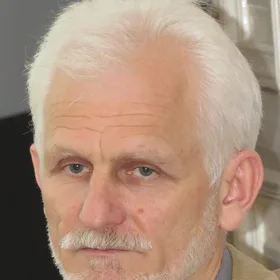
Bialiatski founded Viasna, a human rights group in Belarus. He was in prison when he won. Memorial recorded the crimes of the Soviet state, and Russia shut it down. The Center for Civil Liberties records war crimes in Ukraine.
Why it matters
During the war in Ukraine, these groups keep a record of the truth, so it can't be wiped away.
The official reason
"The Peace Prize laureates represent civil society in their home countries. They have for many years promoted the right to criticise power and protect the fundamental rights of citizens. They have made an outstanding effort to document war crimes, human right abuses and the abuse of power. Together they demonstrate the significance of civil society for peace and democracy."
The long road
- 1987Memorial is founded in the Soviet Union.
- 1996Bialiatski founds Viasna in Belarus.
- 2007The Center for Civil Liberties is founded in Kyiv.
- 2021Bialiatski is jailed. A Russian court orders Memorial shut.
- 2022Nobel Peace Prize.
See the idea · 79-second film, with sound
Three neighbours, writing down the truth.
- Names that must not be lost. Memorial began in 1987 in the Soviet Union. Andrei Sakharov helped found it. It recorded the victims of Stalin's time, so they would not be forgotten.
- Ordered shut. It also recorded crimes in Chechnya's wars. In 2021 Russia's top court ordered it shut. Its chairman said: "Nobody plans to give up."
- Spring in Belarus. In 1996 Belarus's president took near total power. Ales Bialiatski founded Viasna, which means Spring. It helped jailed protesters and their families.
- Jailed, again and again. He was jailed from 2011 to 2014. In 2021 he was jailed again, with no trial. He was still in prison when he won the prize.
- Recording a war. The Center for Civil Liberties began in Kyiv in 2007. Since Russia invaded in 2022, it records war crimes against ordinary people, so the guilty can face justice.
- A record that lasts. Jails and court orders did not stop them. Their records keep the truth safe, and show why free voices matter for peace.
1 · Memorial, 1987
Names that must not be lost.
Memorial began in 1987 in the Soviet Union. Andrei Sakharov helped found it. It recorded the victims of Stalin's time, so they would not be forgotten.
A paper pop-up book made to show the idea. The maps are simplified, and the cards stand in for many thousands of real records.